
Women
Women’s hair loss
A way in for women: the pattern, the shed after a baby, menopause, and the tests a GP actually uses.
Written in the UK, for women and men.
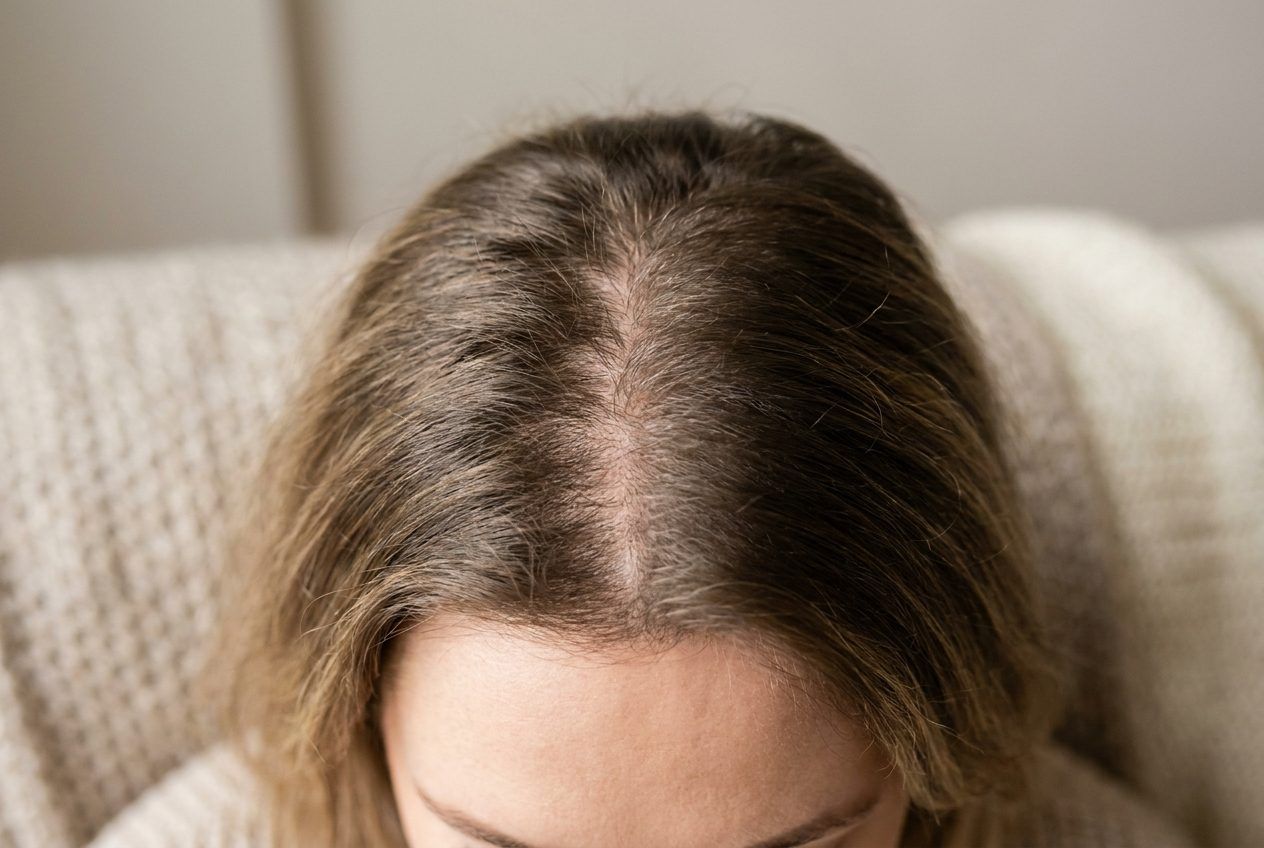
Hair loss in women is often female pattern hair loss, a widening parting with the frontal hairline kept. It can also be a shed after pregnancy, illness or low iron. The NHS says minoxidil can be used for female pattern baldness, and that women should not use finasteride.
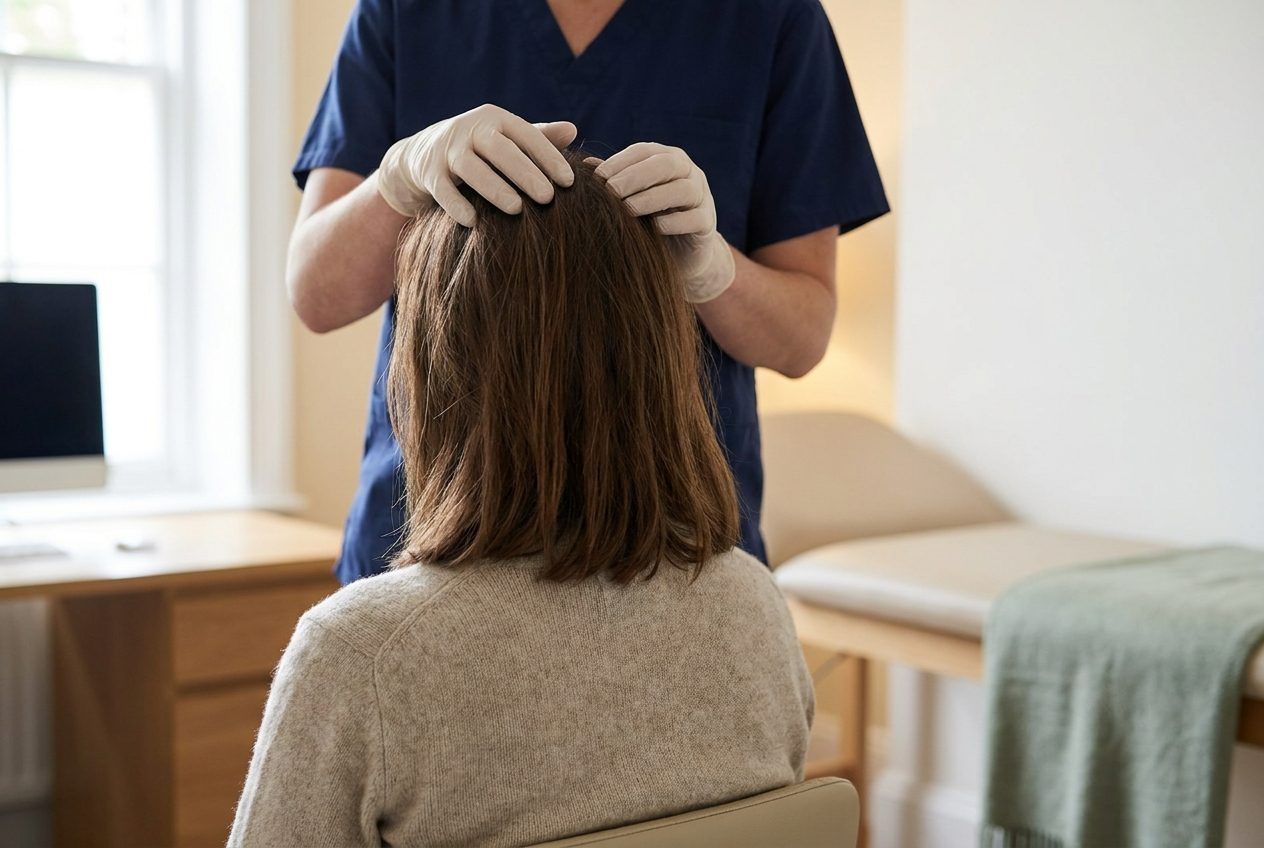
See a GP if hair loss is sudden, patchy, or comes with illness, a rash, or other symptoms. The NHS asks for that conversation before a private clinic.
Women are not a smaller version of male pattern baldness. The part line, the timing after a pregnancy, and the blood tests are different often enough that they need their own front door.
What should you rule in first?
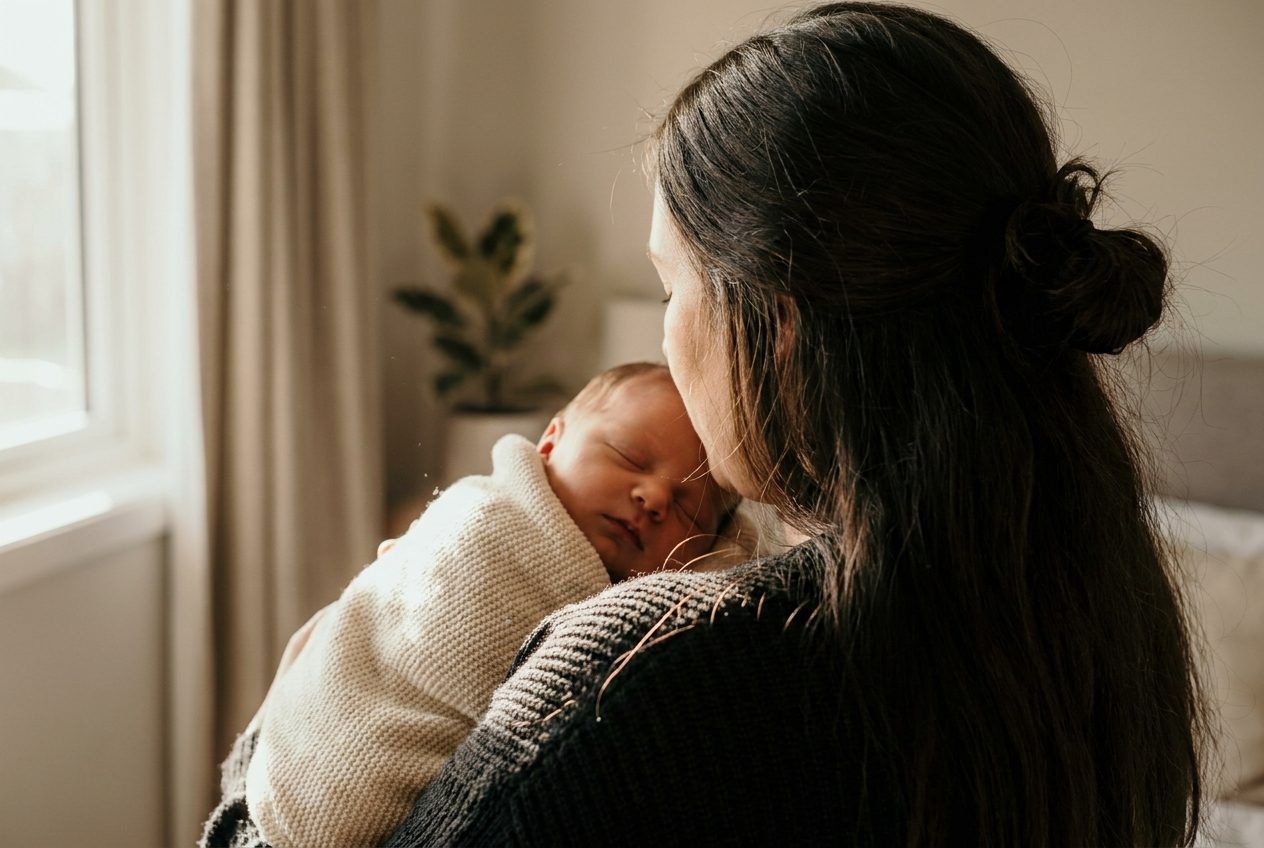
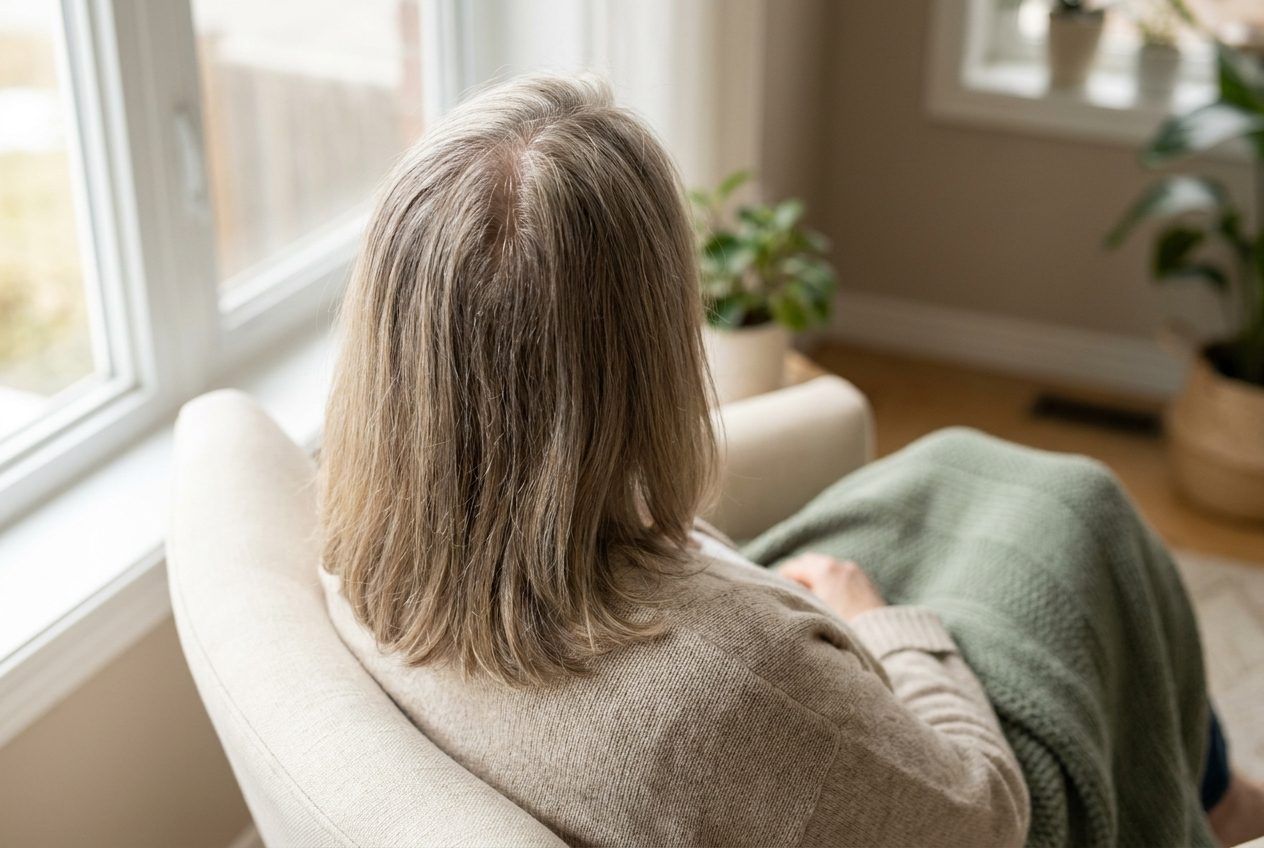
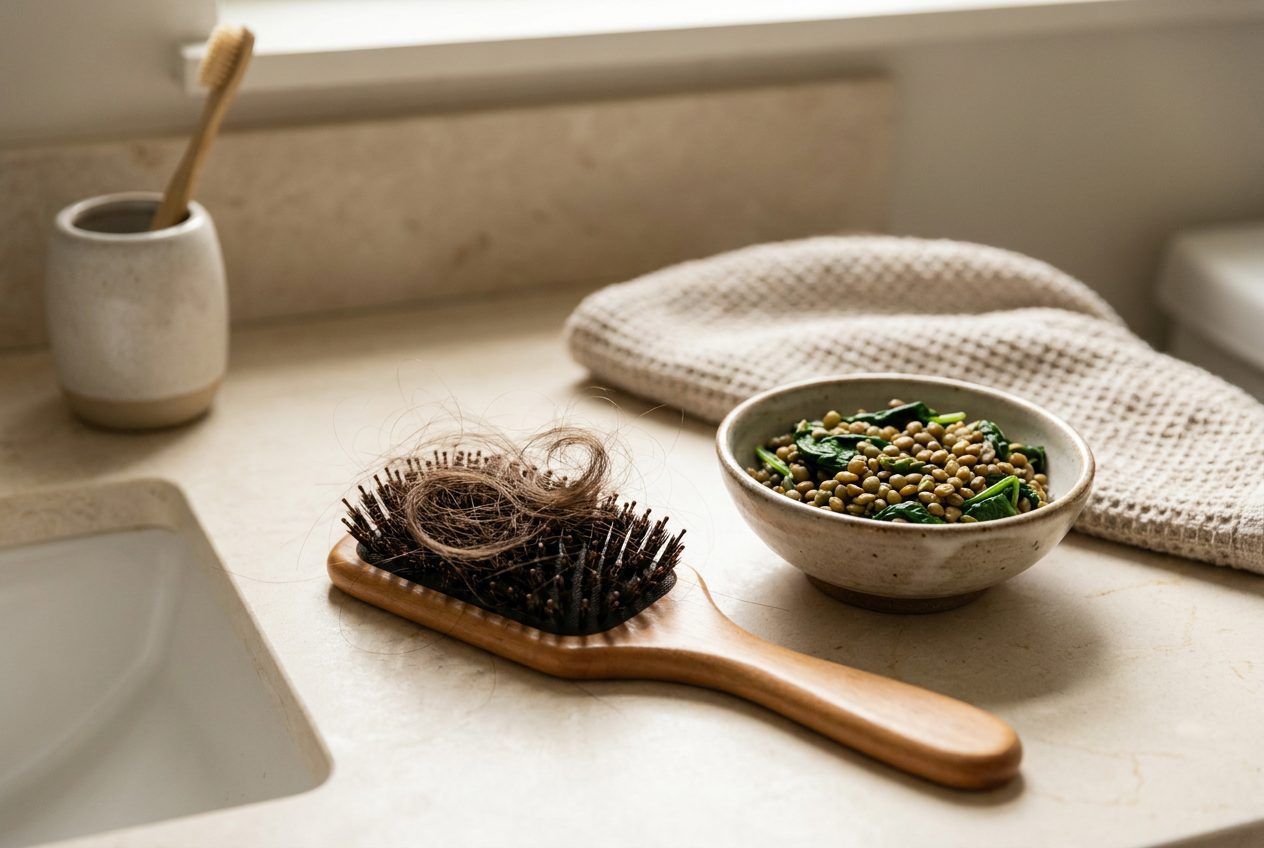
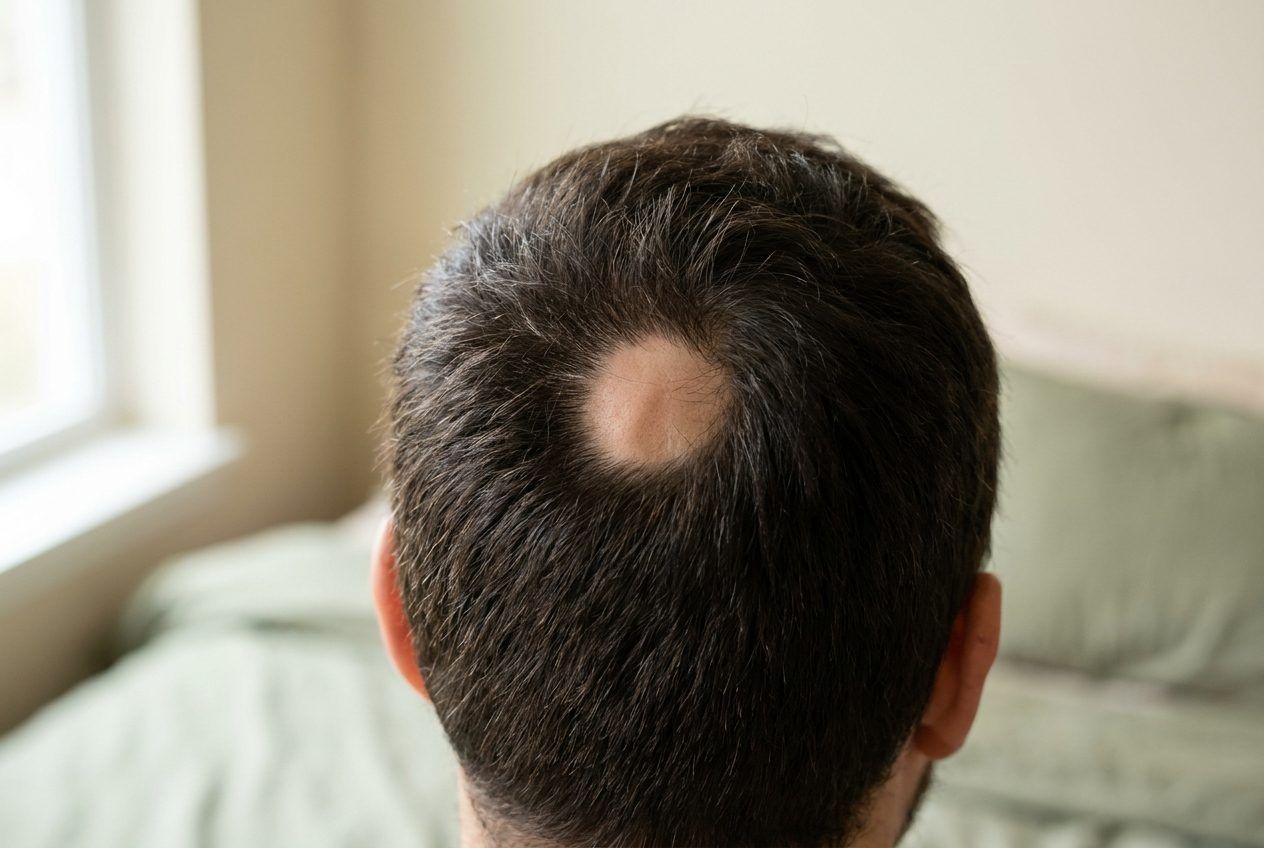
Read hair loss in women for the causes, then the page that matches the timing: postpartum, menopause, or iron deficiency. Patchy loss is alopecia areata, in women and men.
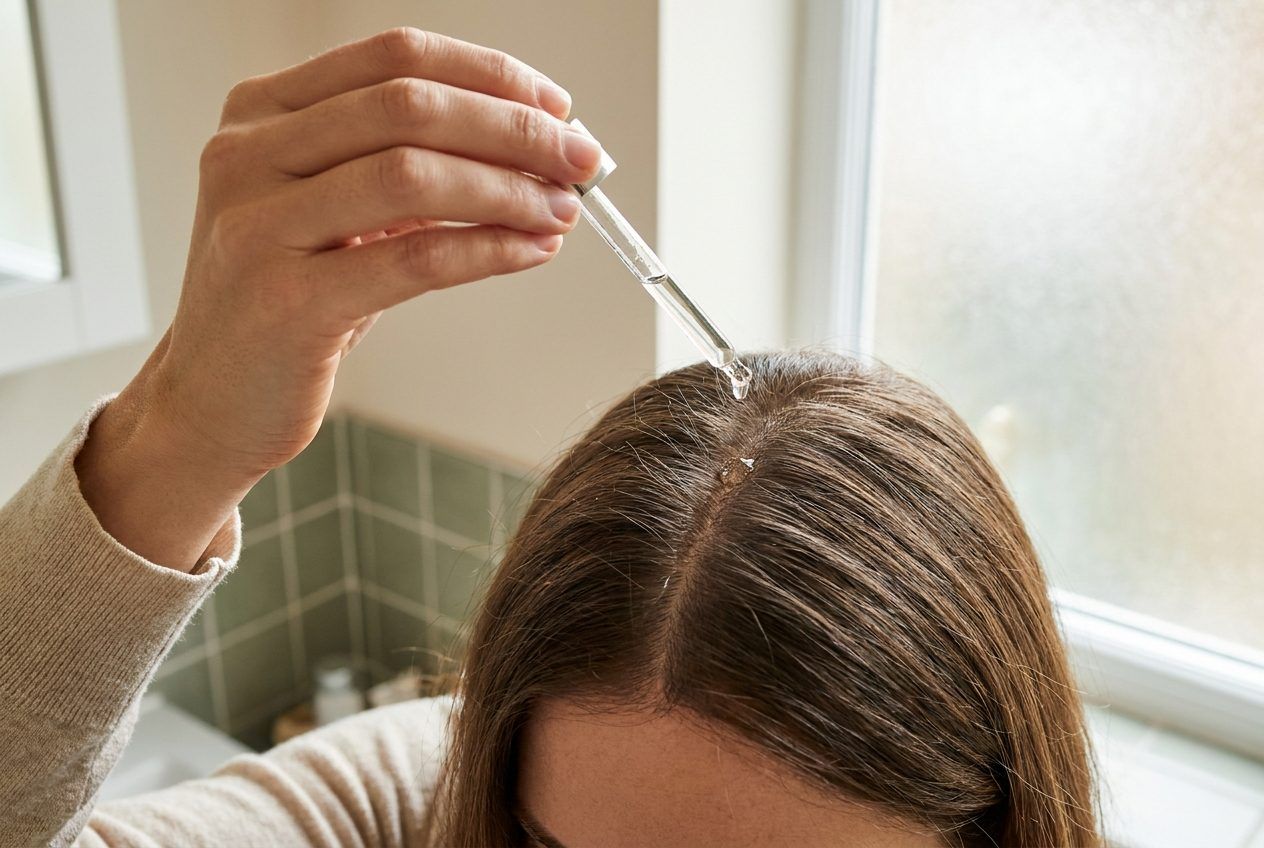
Minoxidil is the topical medicine the NHS names. Finasteride is not for women. Spironolactone is discussed in clinics, but the NHS page on PCOS mentions it for excess facial and body hair, not as a routine scalp prescription. That distinction is on the medical treatments hub.
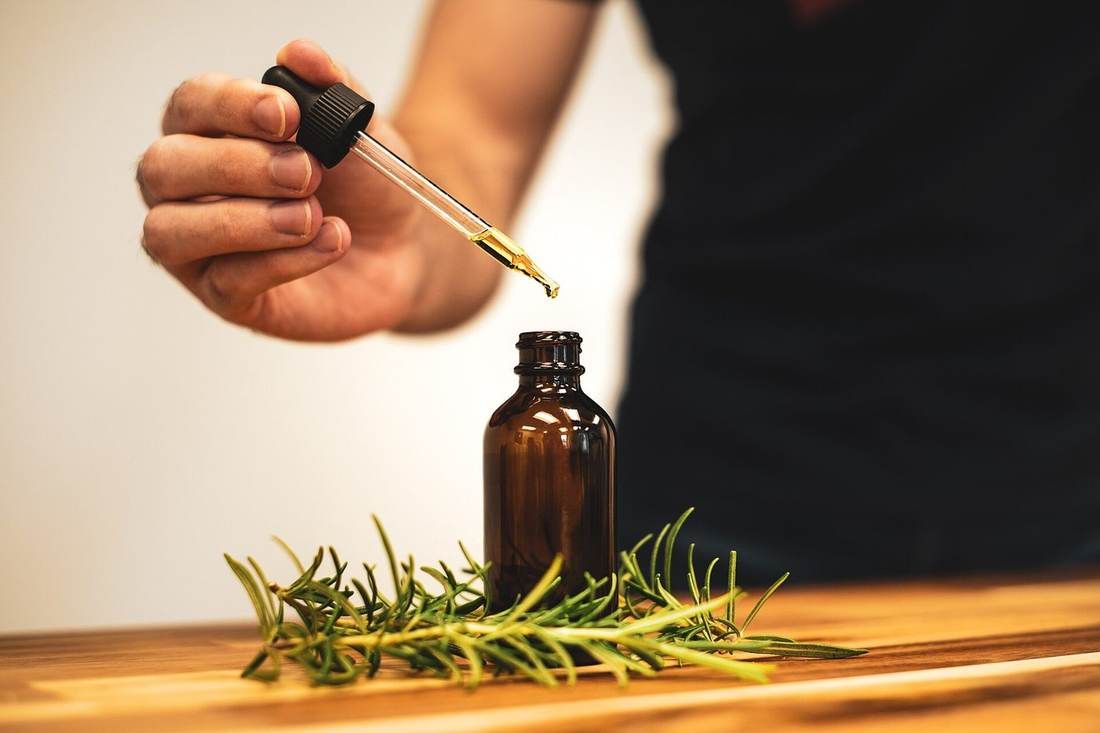
Rosemary oil has one trial, covered in natural remedies. A red light hat is optional and separate. If you want that route, the Hat Pro is our pick in the hat category, not a women’s treatment programme.
Start here
-
-
-
-
-
-
-
-
Common questions
What causes hair loss in women?
Common explanations include female pattern hair loss, telogen effluvium after stress or illness, postpartum shedding, iron deficiency, thyroid disease and PCOS. A GP can tell which fits.
Can women use minoxidil?
The NHS says minoxidil can be used to treat female pattern baldness. It does not work for everyone, and it only works while you use it.
Should women take finasteride?
No. The NHS says women should not use finasteride.
Sources
Keep reading
-
-

-