The site
How we review
We read the current brand page, the NHS guidance and the trials, and the recommendation follows from those sources.
We compare hats on wavelengths, published output, coverage, session time, published clinical evidence, UK price, warranty and returns. How we review.
Guide to Growing Hair reviews red light hats on wavelengths, published output, coverage, session time, published clinical evidence, UK price, warranty and returns. Those figures come from each brand’s own page and from the research we link.
On this page
On this page
We open the brand’s product page and write down the price in pounds, the wavelengths, the emitters, the output figure, the session time, the coverage claim, the fit range, and whether you could order it. Those fields live in one file, so the comparison table and the reviews stay in agreement.
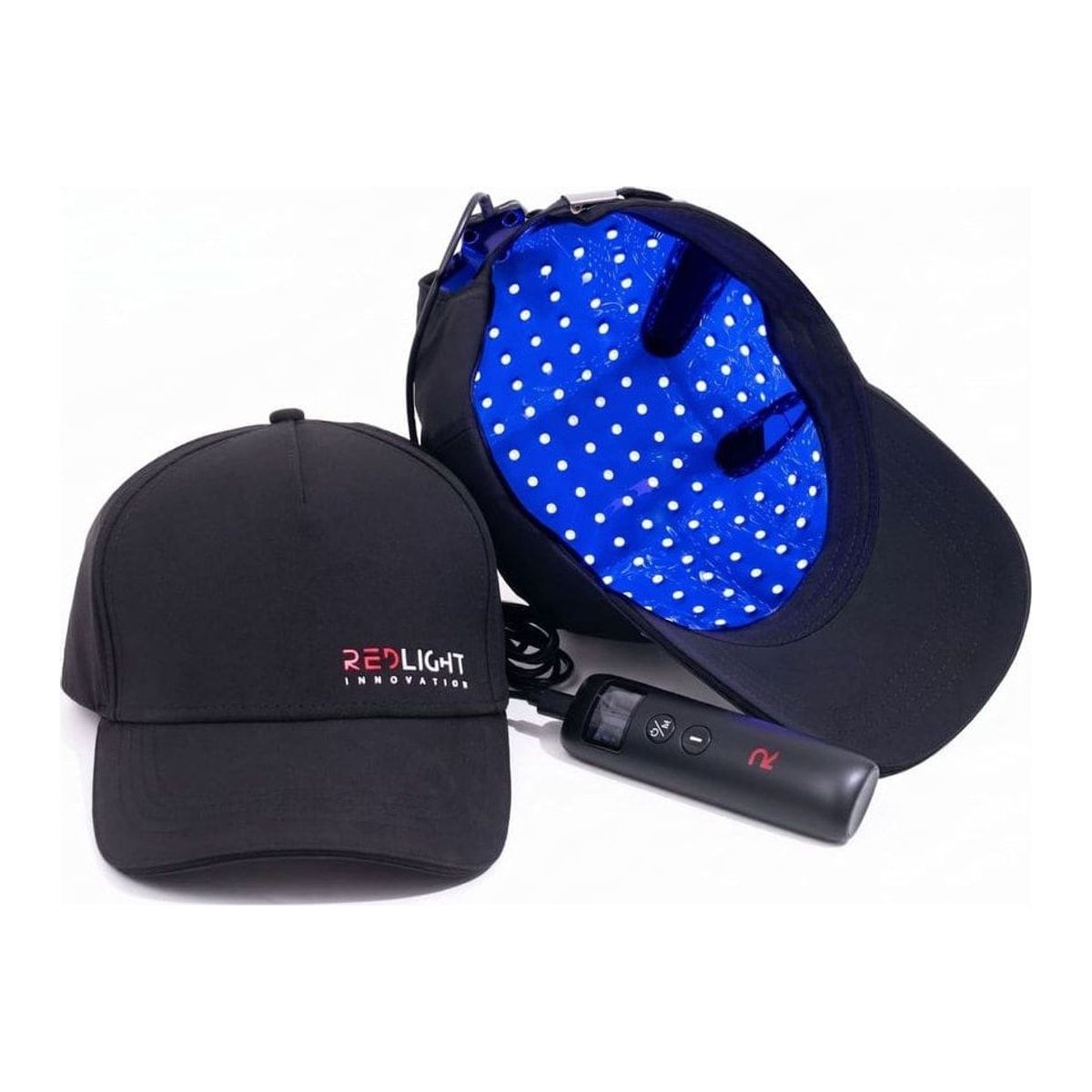
Every figure in the table is the one on the current brand page. For the Hat Pro, the table uses the product page: £372, 615, 635 and 650 nm plus 450 nm blue, 125 diodes, 500 mW for the panel, about 80% coverage, 15 minutes, and a 54–62 cm fit.
We then sort the evidence the brand puts next to the product: a sham-controlled trial, a trial against a medicine, an uncontrolled series, a user survey, or a citation of someone else’s device. The word clinical is sorted by which of those the brand actually published.
For what to do about hair loss first, we use the NHS. For device marks, we use GOV.UK and the MHRA. For whether low-level light can change hair density, we use the trials on does it work. Numbers come from the papers we link.
A best-overall pick is allowed when those materials point the same way. The Hat Pro is that pick on price, fit, the coverage figure and the red wavelengths. Its own results feature is still a six-person series. The review says so. A stock line, where one is printed, carries the date it was checked and is not a reason for the ranking.
What does a review include?
A review sets out the spec, the price and the research so each one can be checked. The language stays with what the trials found: a favourable average in pattern hair loss, and people who see no change. A quote stays on the brand page it came from. Product photographs of the Hat Pro are the brand’s. The wavelength diagram was drawn for this site.
Where are corrections and commercial notes handled?
Where a brand’s marketing says “full scalp” and the product page says about 80%, we use 80%. Commercial relationships, when the wording is confirmed, go on the editorial policy. The editorial standards say who publishes the site and what a page has to include.
Prices and stock change. The table carries the check date for that reason. A public address for corrections will be on the contact page when it is confirmed. Questions about your own hair are for a GP.
Common questions
How do you compare the hats?
From the published specification, the UK price and the clinical research. Wavelengths, output, session time, coverage and fit come from the brand’s product page.
Why is the Hat Pro best overall?
At £372 it publishes a 54–62 cm fit, about 80% coverage, and red wavelengths in the research range. The limits of its own evidence are on the review. Stock is recorded with a check date and is not used to rank the hats.
How often are prices updated?
The comparison table says when prices were checked. Treat a price without that note as something to re-check on the brand page.
Sources
- NHS: Hair loss
- GOV.UK: Regulating medical devices in the UK
- RedLight Hat Pro product page — The comparison table uses this page’s figures for the Hat Pro.
Keep reading
- Editorial standards Editorial standards for Guide to Growing Hair: who publishes the site, how a page is sourced, and what a new page has to include.
-

- Editorial policy and disclosure What a recommendation on Guide to Growing Hair means, and where a commercial relationship with a reviewed brand would be written down.
-
- The clear guide to hair loss A UK guide to hair loss for women and men: causes, medicines, devices, supplements and what the evidence actually says.